
Media, target flow, pressure, temperature, envelope, and material expectations are reviewed before recommending a component path.
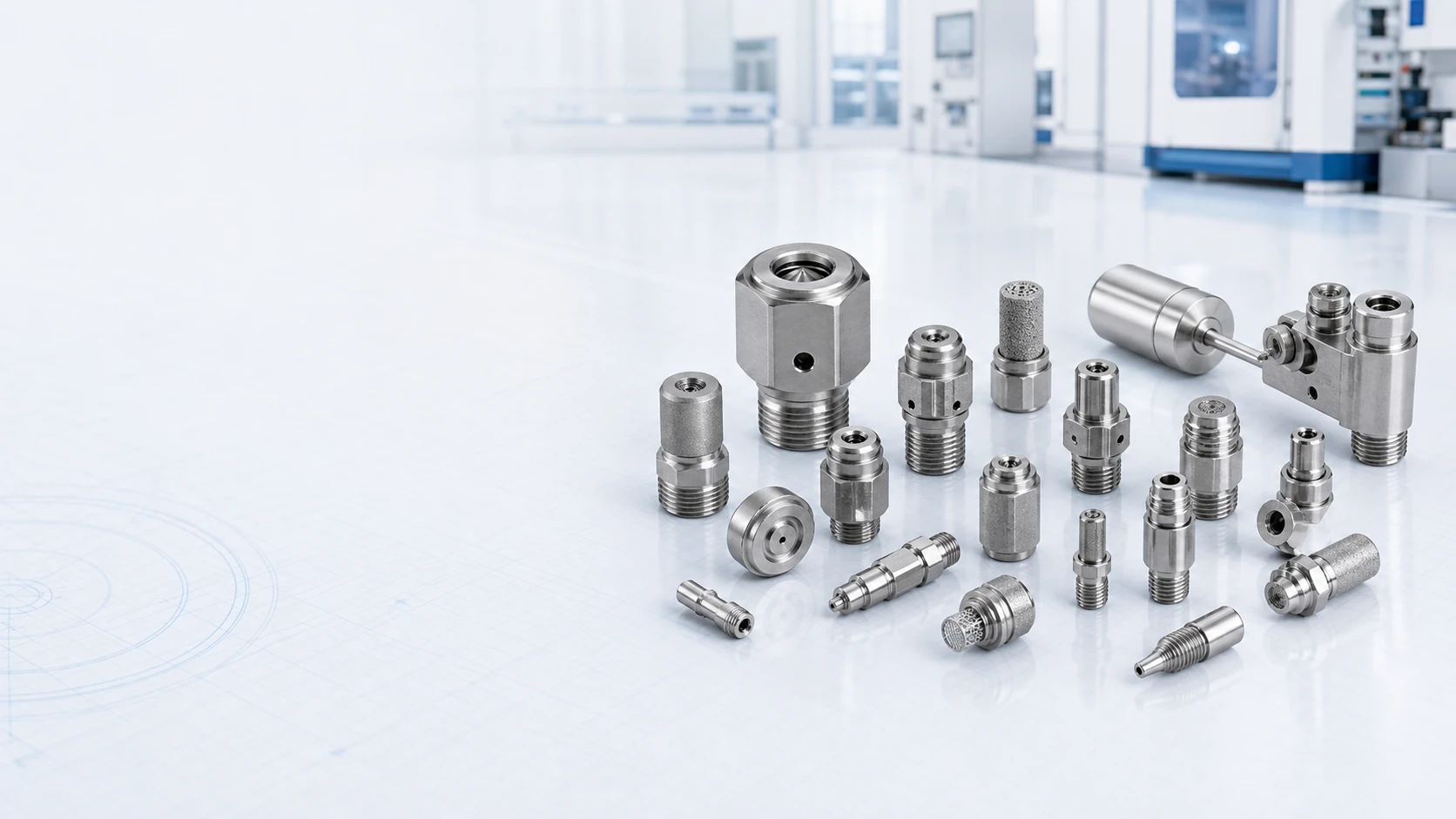
Precision engineering partner
Precision Flow Control, Engineered From Requirement to Production
HENGTROL designs and manufactures miniature flow control components for demanding gas, liquid, pneumatic, analytical, medical equipment, semiconductor equipment, and OEM systems.
Precision manufacturingDrawing-controlled parts and inspection
OEM customizationGeometry, material, flow, and interface review
Engineering supportApplication conditions before part numbers
Global B2B supplyPrototype through repeat production
About HENGTROL
A Flow Control Manufacturer Built for Engineering Review
HENGTROL supports OEM engineers who need miniature flow control components reviewed against real operating conditions, packaging limits, material expectations, and production repeatability.
Custom geometry, interfaces, and acceptance criteria are considered with prototype and repeat-production needs in mind.
Inspection expectations, drawings, samples, and supporting technical information can be aligned during project review.
Product families
Start With the Component Function
Choose the product path that matches the flow behavior, protection role, connection need, or custom integration requirement.
01
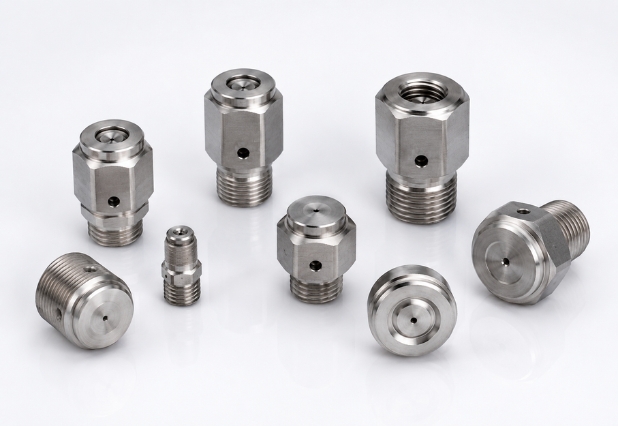
Precision Orifices
Precisely formed flow passages for repeatable gas or liquid restriction in compact systems.
02
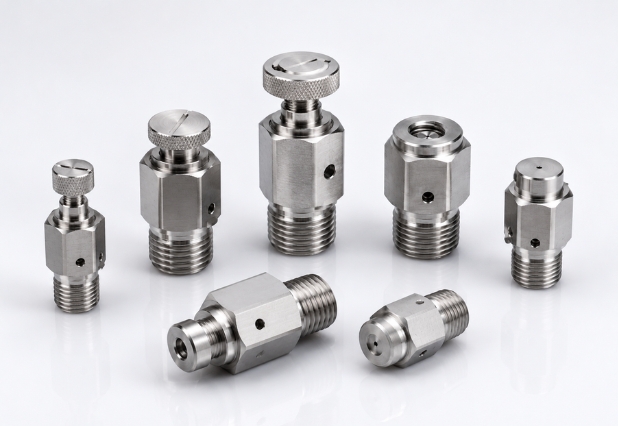
Flow Restrictors
Compact restriction components engineered for stable pressure drop and controlled system response.
03
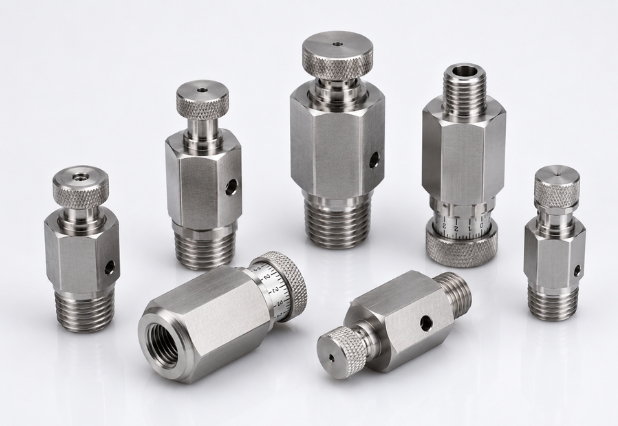
Fixed Flow Controls
Calibrated fixed-flow assemblies for repeatable output without field adjustment.
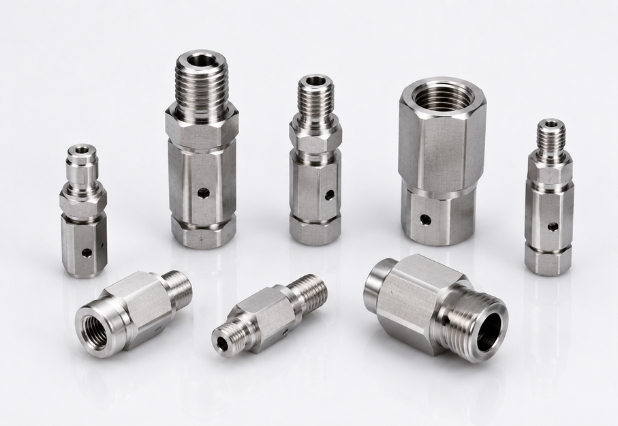
04
Miniature Check Valves
Low-mass non-return valves for compact pneumatic, gas, and liquid circuits.
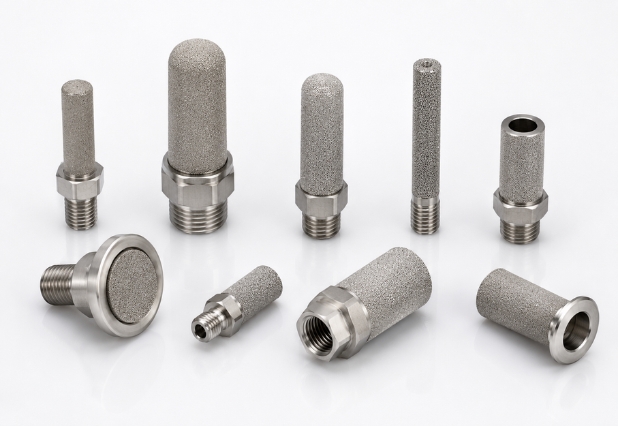
05
Porous Flow Control Elements
Porous metal elements for distributed restriction, diffusion, damping, and filtration functions.
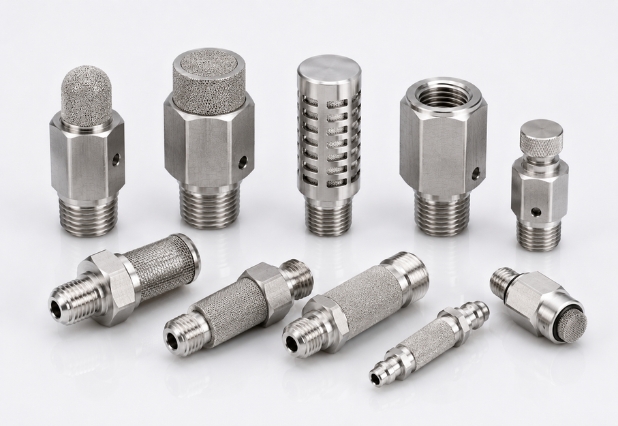
06
Inline Screens and Breathers
Compact screens and breathers that protect sensitive passages while preserving system packaging.
Decision matrix
Compare Flow Control Paths Before Choosing a Part
Use the matrix to route a requirement by function, operating behavior, and the information an engineer usually needs to confirm.
| Requirement | Best starting path | Typical product route | Review focus |
|---|---|---|---|
| Repeatable restriction | Products | Precision orifices, flow restrictors | Target flow, pressure drop, tolerance, media |
| Backflow or path protection | Products + Solutions | Miniature check valves, screens, breathers | Cracking pressure, contamination risk, installation direction |
| Low-flow stability | Solutions | Restrictors, porous elements, fixed-flow controls | Pressure window, response stability, clogging sensitivity |
| Compact OEM integration | OEM review | Custom flow control components | Envelope, interface, material, drawing, production quantity |
| Equipment-specific requirement | Applications | Product family selected by environment | Cleanliness, validation, temperature, assembly constraints |
Problem-led routing
When the Requirement Is a System Behavior
Pressure drop, leakage, clogging, instability, and packaging limits should be reviewed as connected engineering variables.
Control a target flow
Use orifices, restrictors, porous elements, or fixed-flow assemblies depending on the operating window.
Protect a sensitive path
Review screens, breathers, filtration placement, and contamination risk before final geometry.
Combine functions
Bring restriction, connection, isolation, and packaging into one OEM component when standard parts do not fit.
Challenges and solutions
Turn Common Flow Control Risks Into Reviewable Engineering Decisions
This section helps buyers see that the website is not only a product catalog. It connects application pain points to practical engineering review paths.
- Unstable flow output
Pressure changes, small passages, and media variation can shift actual flow behavior.
- Contamination or clogging
Particles, porous media, and tiny flow paths need protection strategy before geometry is fixed.
- Packaging conflicts
Standard components may not fit the envelope, interface, or assembly direction.
- Material mismatch
Media, temperature, cleanliness, and corrosion expectations affect material selection.
- Unclear production path
Prototype parts need acceptance criteria before repeat supply can be stable.
- Flow requirement mapping
Route by target flow, pressure window, medium, temperature, and tolerance expectation.
- Protection and filtration review
Consider screens, breathers, porous elements, and placement before final integration.
- Custom interface design
Combine restriction, connection, sealing, and installation needs into one OEM component.
- Material and process alignment
Review stainless steel, porous metal, welding, machining, and cleanliness expectations.
- Sample-to-production control
Align drawings, inspection points, sample approval, packaging, and delivery schedule.
Application fit
Map Components to Real Equipment Context
Each industry has different constraints. The website routes engineers by operating environment, not generic market labels.
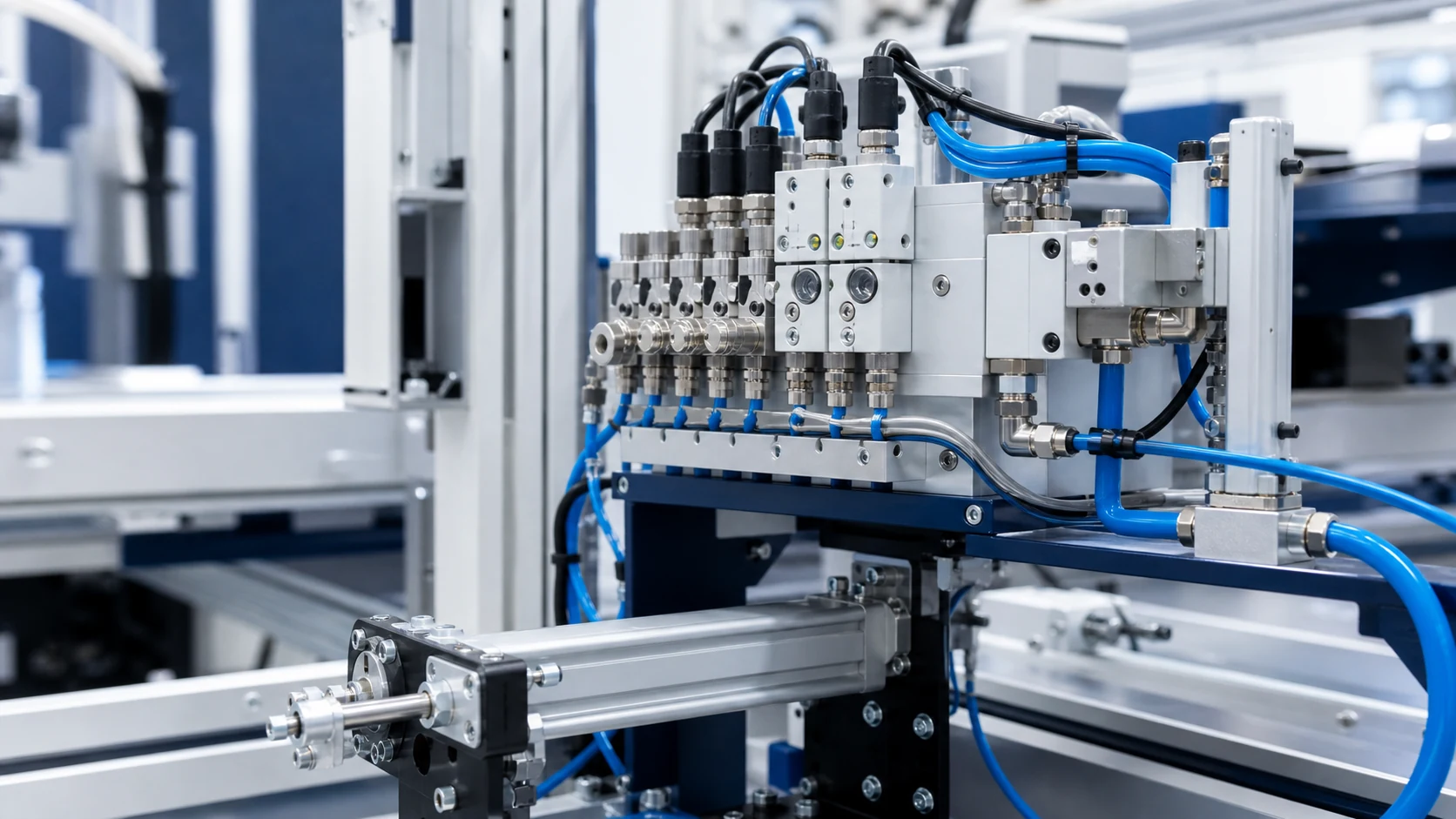
01
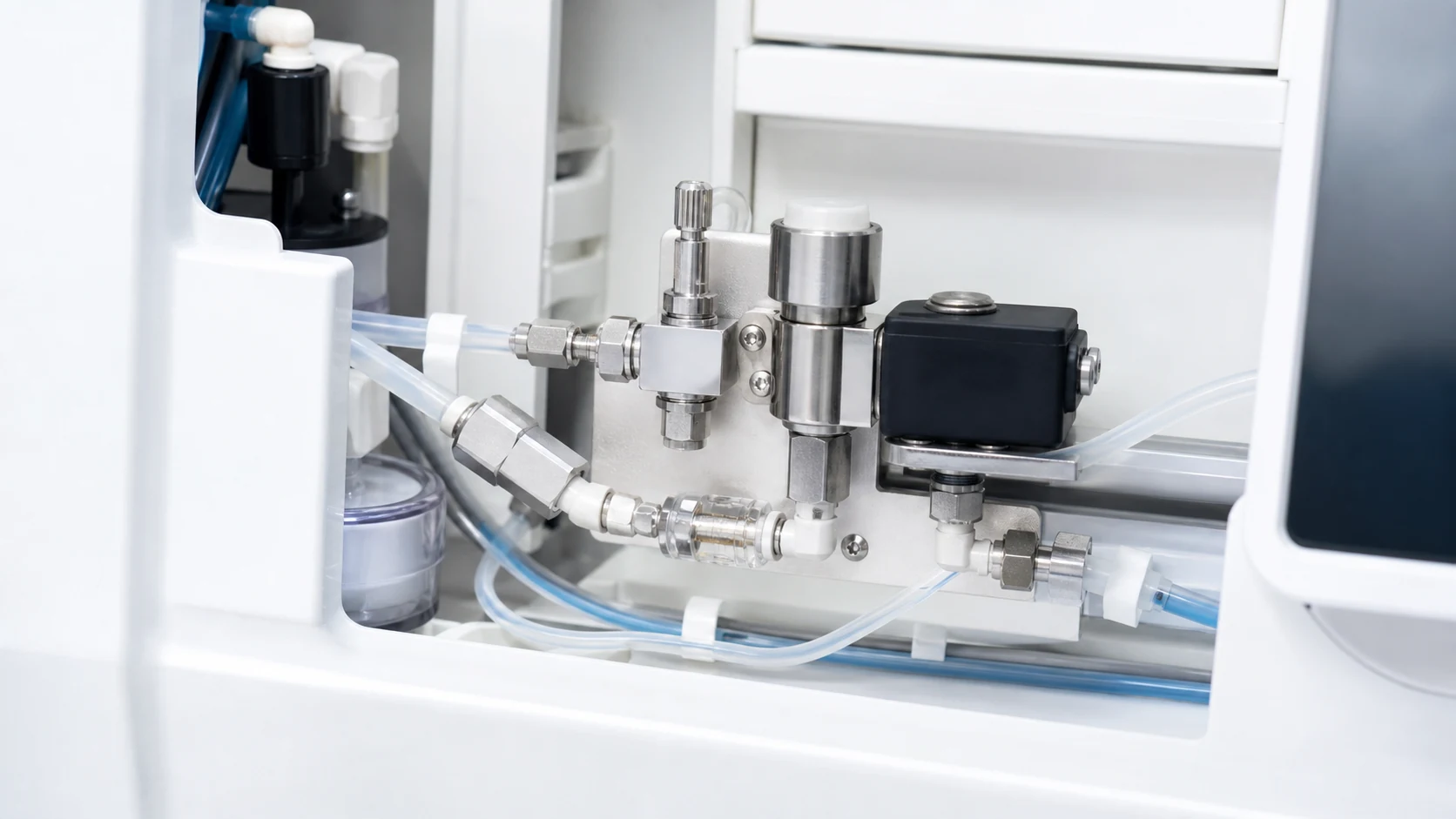
Industrial Automation
Actuation, exhaust, protection, and compact pneumatic control.
02
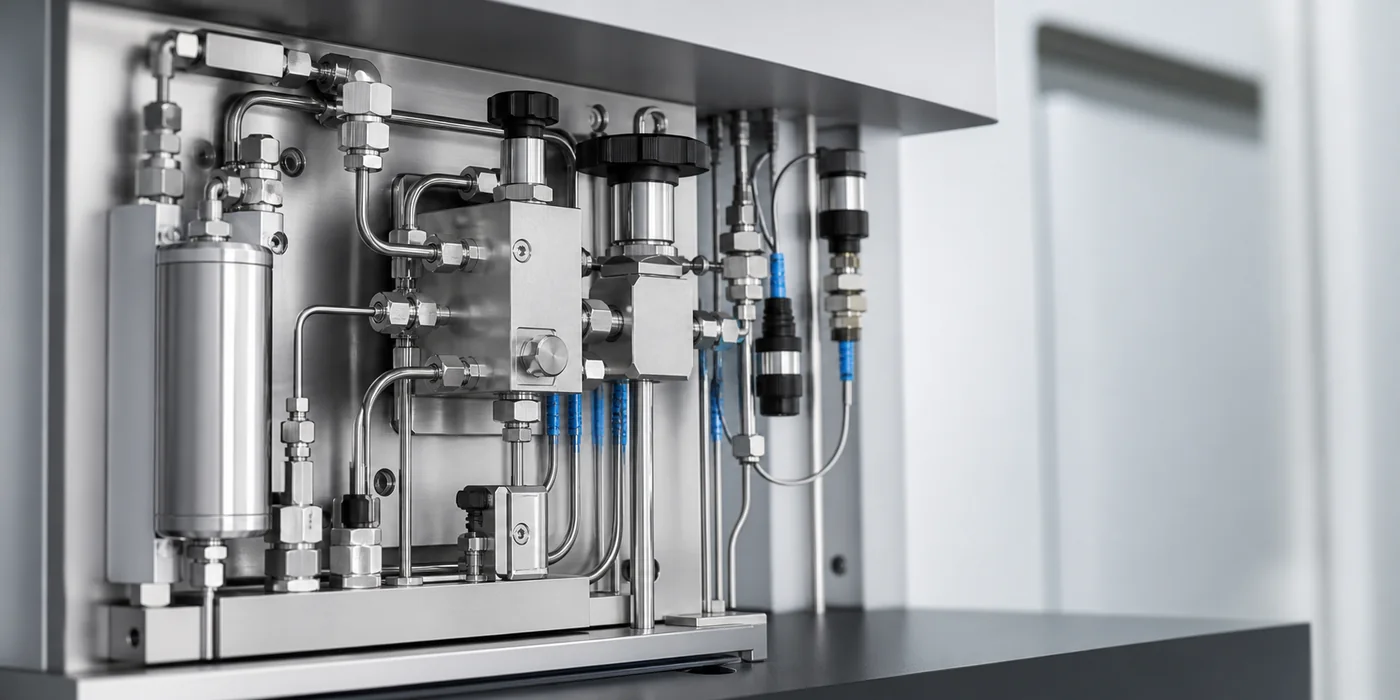
Medical Equipment
Careful gas and liquid component review with controlled language and project validation.
03
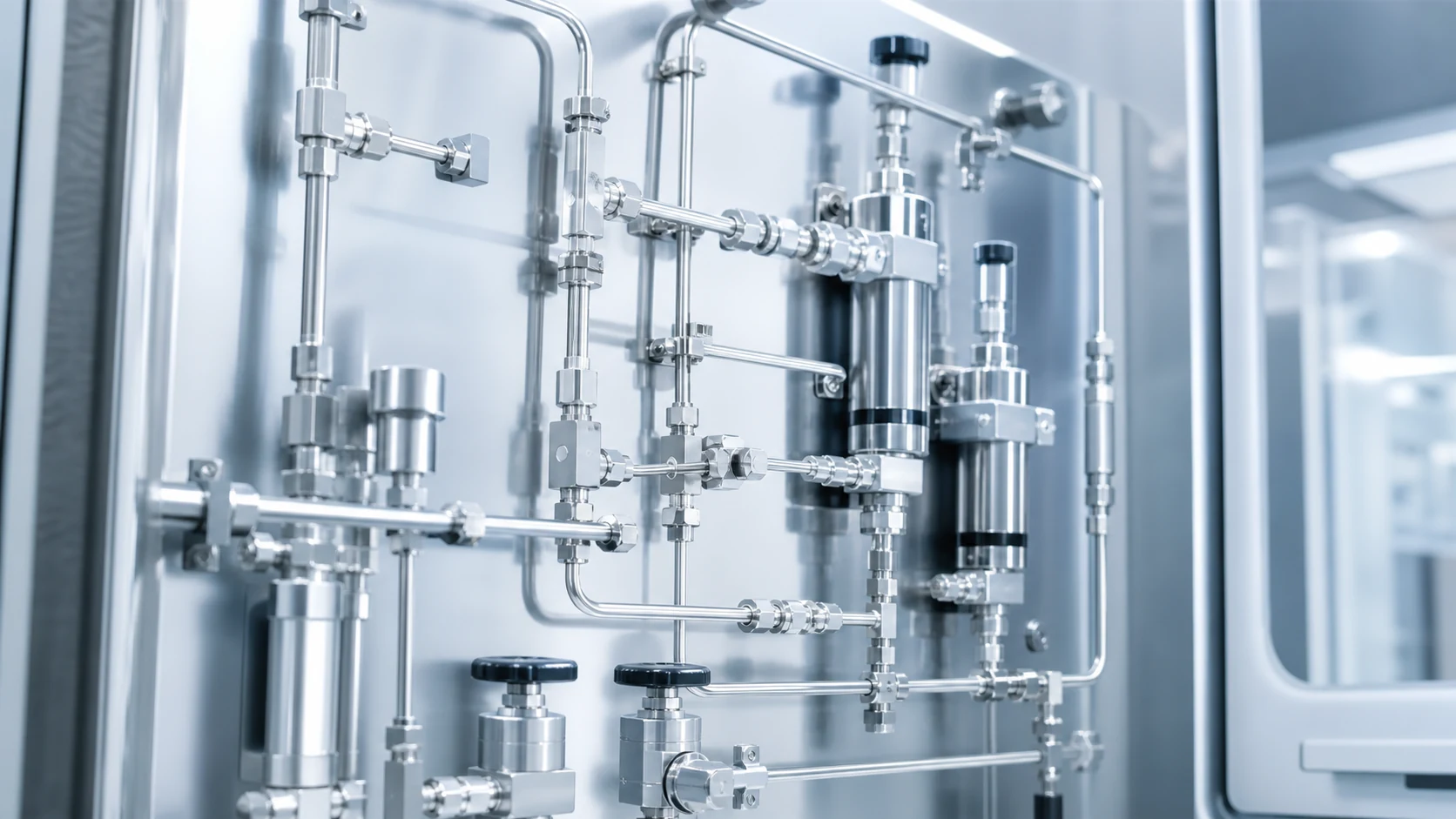
Analytical Instruments
Stable miniature flow paths for sampling, measurement, and calibration.
04
Semiconductor Equipment
Cleanliness, material, and integration expectations for demanding equipment.
Buyer confidence
What Engineering Buyers Need Before They Inquire
The homepage now answers the trust questions that usually appear before a technical buyer shares drawings, samples, or operating conditions.
Can this fit our envelope?
Product paths show compact components, interface options, and OEM review routes instead of forcing a single catalog-only answer.
Can the risk be discussed early?
Solution paths route by flow behavior, clogging risk, pressure stability, contamination sensitivity, and material constraints.
Can prototype work become stable supply?
The OEM process section makes the path from requirement review to samples and controlled production easier to understand.
OEM path
From Drawing Review to Stable Supply
Requirement review
Media, flow, pressure, temperature, envelope, and quantity.
Engineering evaluation
Geometry, materials, interfaces, risk points, and validation needs.
Prototype support
Samples for fit, function, and integration review.
Production transfer
Controlled supply after requirements and acceptance criteria are aligned.
Factory capability
Manufacturing Strength Behind Every Flow Control Requirement
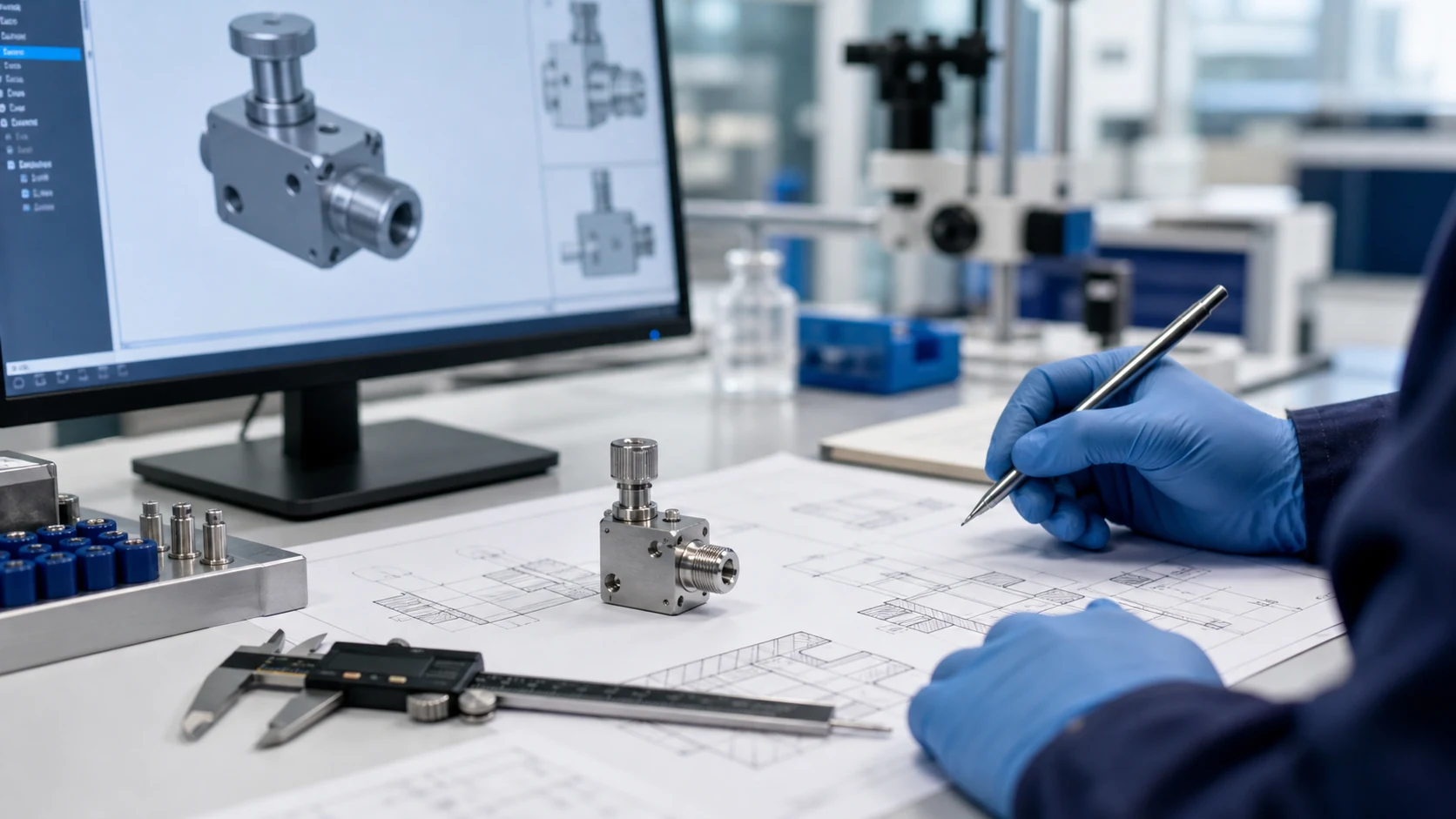
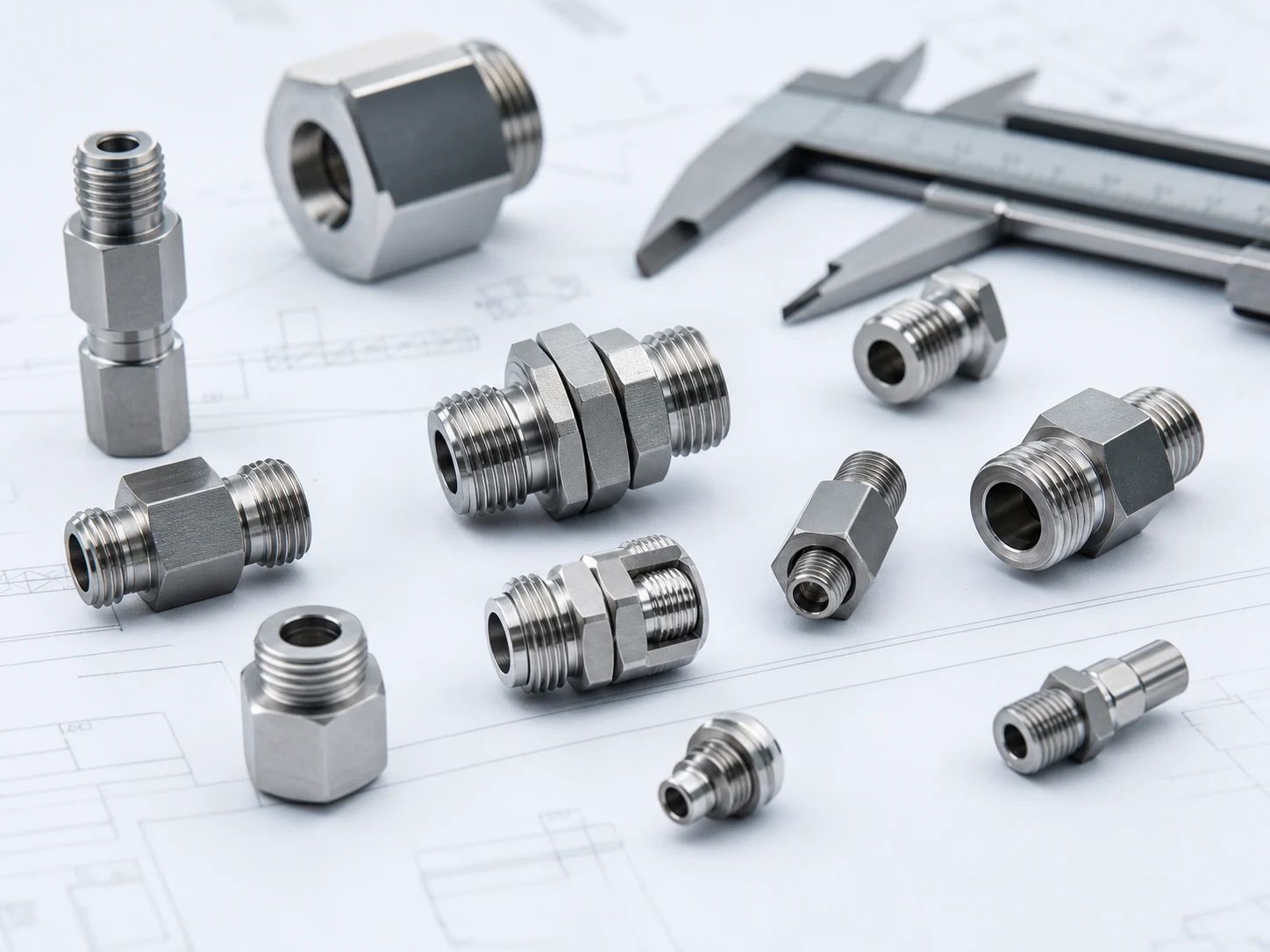
From CNC machining and precision component preparation to welding, inspection, and controlled production planning, the factory capability story helps buyers judge quality, repeatability, and delivery confidence before inquiry.
CNC reviewWelding readinessQA scheduling
01
CNC machining support
Compact geometries, interface features, and drawing-controlled details can be reviewed for prototype and production feasibility.
02
Laser welding and assembly review
Welded structures, sealed paths, and multi-function components can be evaluated with material and cleanliness expectations.

03
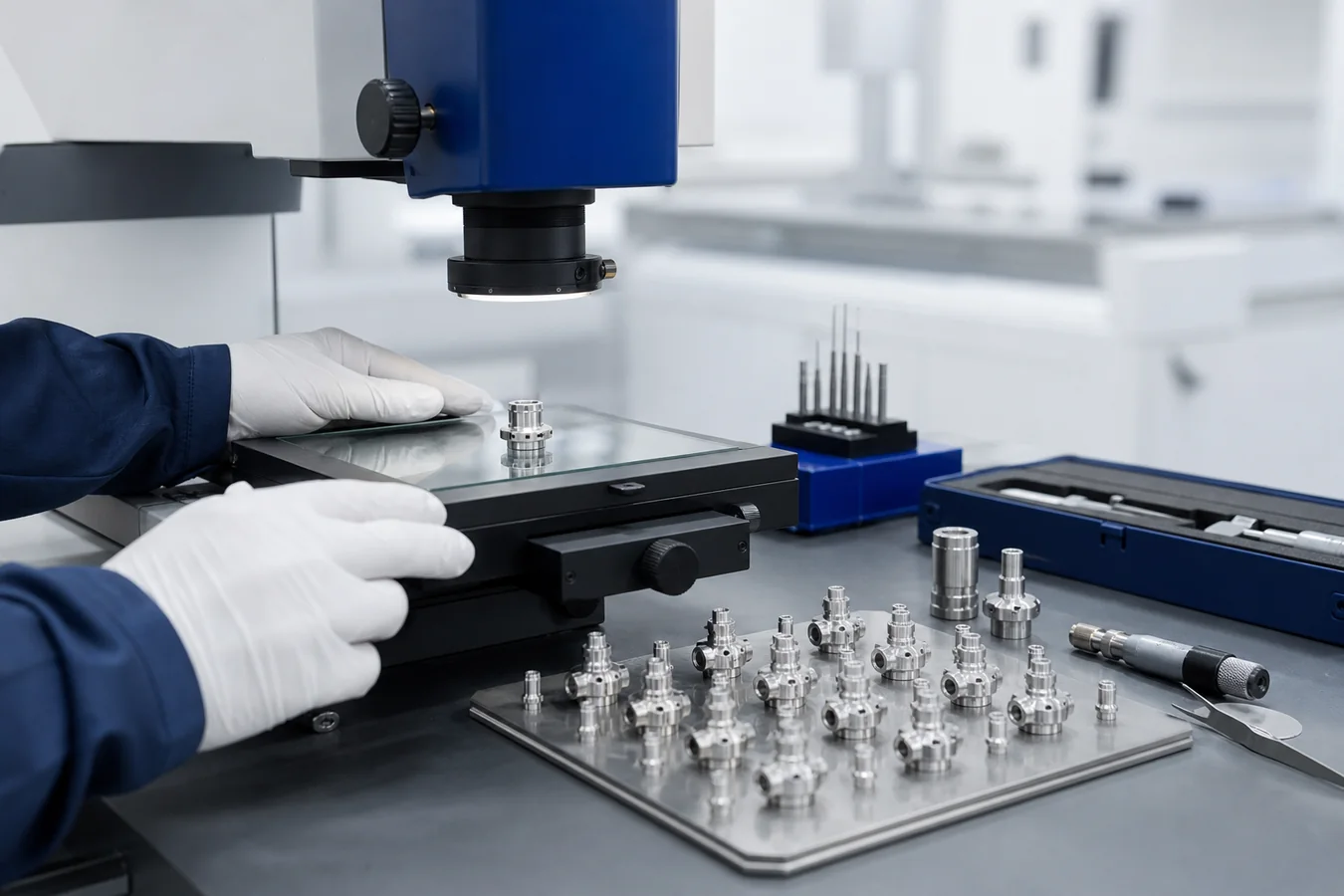
Quality and delivery control
Inspection requirements, sample approval, packaging, and production scheduling are aligned before repeat supply.
Quality discipline
Inspection Starts With the Requirement
Quality review connects drawing requirements, material expectations, dimensional checks, functional tests, and documentation needs.
FAQ
Questions Engineers Usually Ask First
Use these questions to decide whether to start from a product family, a solution path, an application page, or a custom engineering review.
What information should we send for a flow control review?
Media, target flow, pressure range, temperature, envelope, material expectations, interface, drawing or sample, and expected quantity.
Can HENGTROL support custom miniature components?
Yes. The custom route can combine restriction, filtration, connection, protection, and packaging requirements into an application-specific component.
Should we start with Products, Solutions, or Applications?
Start with Products when the function is clear, Solutions when the system behavior is the main problem, and Applications when the equipment environment drives the decision.
Have a Flow Control Requirement to Review?
Send media, target flow, pressure window, temperature, material needs, interface, drawing or sample, and expected quantity.